Ready to grow?
Website Helped Robert Geans Win $308K Job
2x Expected Opening Weekend Attendance
Cheetos Collab drove 184K+ Impressions
Donations Up 250% After Video
Our Design Helped Secure $50M Grant


Membership growth campaigns for credit unions are coordinated marketing programs that turn eligible consumers into active members through a clear proposition, consistent creative, and advertising placement. This 2027 guide connects those decisions to an annual plan, with membership eligibility, account-opening friction, and long-term member relationships built into the campaign.
TL;DR
A credit union campaign has to answer questions that a general consumer campaign does not: Can I join? Why should I switch? What happens after I apply? Your advertising needs to make the next step clear without separating the message from membership requirements.
The campaign is not finished when someone opens an account. Membership growth needs an agreed definition of success that includes the relationship you intend to build. Otherwise, marketing reports account openings while leadership expects active members.
For your 2027 plan, connect campaign decisions to membership goals before approving creative or media. J2 Marketing provides research, strategy, advertising, branding, and video/photo production—the service areas relevant to building that connection.
Your internal constraints belong in the brief, too. Eligibility rules, compliance review, branch readiness, application requirements, and onboarding responsibilities all affect what the campaign can promise. Resolve them before production, rather than asking an advertisement to explain an unfinished process.
Start with your existing membership records and a shared planning document. Bring marketing, finance, operations, and member service together to define the outcome. You do not need new software to decide what counts as a qualified application, a new member, or an active relationship.
Separate gross acquisition from net membership growth. New members entering the credit union and existing members leaving it are different events; a campaign acquisition report should not conceal that distinction. State which outcome leadership expects marketing to influence.
Build a 12-month annual plan around that definition. Treat the period as a planning horizon, not a promise that every member will become active on the same schedule. Document the baseline and assign an owner to each reporting field.
Use your current member research, service conversations, and available account data before commissioning more research. Identify a consumer need your credit union can address and verify that the intended audience can qualify for membership. Eligibility is a campaign design constraint, not a footnote added at launch.
Avoid targeting everyone who lives near a branch with the same message. A consumer opening a first account needs different information from someone considering a change in financial institution. Choose the joining reason before choosing the creative treatment.
For 2027, write the audience brief in plain language: who you want to reach, what prompts consideration, what prevents action, and what evidence supports your message. Keep the brief specific enough that creative and media teams can make the same decision independently.
Draft the brief internally with the people who own the growth target. A useful brief contains the audience, joining reason, supporting evidence, intended action, measurement definition, and approval responsibilities. It should also state what the campaign will not try to accomplish.
Then use specialist support where coordination or production exceeds your team's capacity. J2 Marketing offers strategy, advertising, branding, and video/photo production. Those services fit a brief that needs a campaign idea and the assets to carry it across placements; the credit union still owns product accuracy, eligibility, and internal approvals.
Approve the message and the placement plan together. A concept intended for a longer video needs a different execution from a short audio spot or a static display advertisement. Do not finalize the creative and leave the media team to make it fit afterward.
Start by reviewing existing approved messages and assets. Keep material that answers real member questions; remove material that depends on internal terminology or an unexplained tagline. Your campaign needs a recognizable idea, but recognition alone does not tell a consumer why to act.
Develop a message sequence that moves from interest to consideration to application. Introduce the member need, explain the relevant proposition, and show the next step. The underlying promise should remain consistent even when the format changes.
Production support is useful when the campaign requires coordinated video, photography, design, and advertising assets. Its limitation is dependence on a settled brief: polished production cannot fix an unclear audience or an unsupported claim. Approve the substance before committing to the full asset set.
Use your existing channel reporting to map where you already reach prospective members. Then give each proposed placement a purpose: introduce the credit union, explain the proposition, capture expressed interest, or remind an interested consumer to act. A channel without a defined job does not belong in the plan.
For your 2027 campaign, consider traditional and digital placements together. Select them according to audience fit, geography, creative requirements, and measurement—not because a channel is fashionable or familiar. Search advertising addresses expressed intent; other placements need a clear role in building or sustaining consideration.
Set a 30-day review interval as an operating recommendation. Use it to inspect delivery, response quality, and the application journey. Do not treat the interval as proof that a campaign has had enough time to establish its full business effect.
Walk through the application journey yourself before launch. Check the destination from each advertisement, the eligibility explanation, required information, and what happens after submission. This is an operational check supporting the campaign, not a separate website project.
Coordinate with member service and branch teams. They need to recognize the campaign promise and explain the next step without asking consumers to start the conversation again. Advertising, application instructions, and staff explanations should describe the same experience.
Choose a 90-day cohort review as a recommended checkpoint for understanding early member activity. Track members acquired during the same campaign period and assess them against your agreed definition. This does not establish a universal activation deadline; it creates a consistent review window.
Begin with a shared report built from existing advertising and membership records. Keep reported figures separate from interpretation, and record where attribution is incomplete. An application associated with an advertisement is not automatic proof that the advertisement caused the membership.
Use a repeatable review cycle: Delivery, Applications, Activation, Decisions. Delivery shows what ran. Applications show the response. Activation shows whether acquired members meet your relationship definition. Decisions specify what changes next.
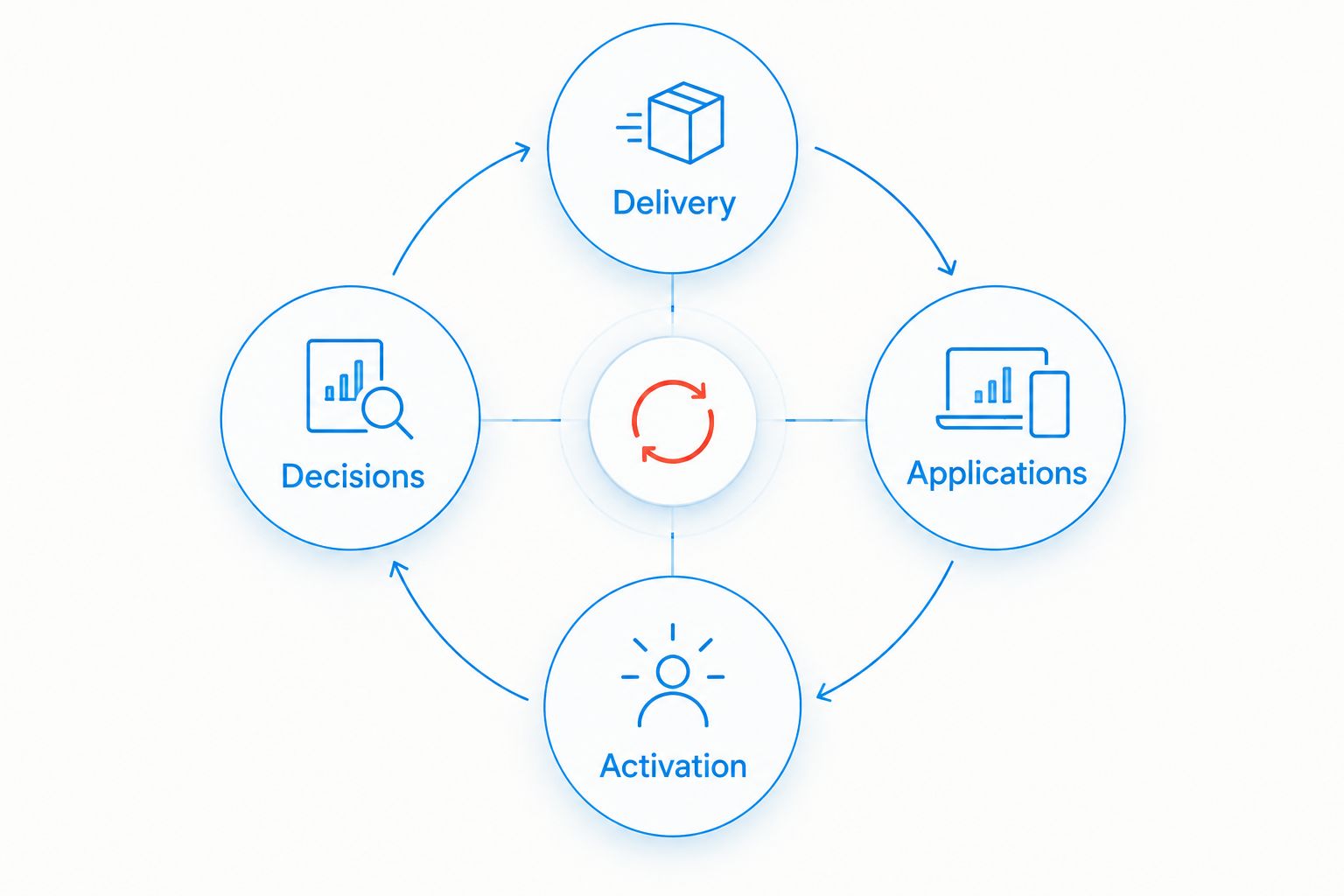
Campaign reviews should end with a decision, not just a report.
Judge the 2027 plan against the outcome defined at the start. If delivery is on plan but eligible applications are weak, inspect audience and message fit. If applications arrive but members do not activate, inspect the joining and onboarding experience before treating media as the only problem.
Choose the operating model around your internal capacity and the work required. J2 Marketing fits credit unions seeking campaign strategy, creative production, and advertising placement together. That fit does not remove the need for credit union ownership of compliance, member data, and operations.
Internal marketing team
Separate specialist partners
J2 Marketing
Before selecting a partner, ask who owns the campaign brief, who connects production to placement, and how business outcomes enter reporting. Service lists alone do not answer those questions. Define the working responsibilities before you approve the scope.
Discuss your membership campaign
Connect your membership goal to campaign strategy, creative production, and advertising placement.
An existing member opening another account is not a newly acquired member. Both outcomes can matter, but mixing them makes the acquisition report unreliable. Keep membership growth and existing-member relationship growth separate.
An advertisement that invites consumers to join needs a workable path to understanding eligibility. Leaving that explanation until late in the process creates a mismatch between the invitation and the application. Check the message and destination together.
Commissioning assets before deciding where they will run leaves formats and messages disconnected from their intended use. Give creative and media teams the same audience brief. Review the campaign as a connected plan, not a collection of deliverables.
A joining message becomes an operational commitment once consumers act on it. Verify application instructions, staff explanations, and onboarding ownership before launch. Do not use advertising to cover an unresolved service process.
An opening total does not explain whether new members became active under your definition. Include onboarding and activity in the review. Otherwise, the campaign report cannot answer the relationship question leadership asked.
What are membership growth campaigns for credit unions?
Membership growth campaigns for credit unions coordinate audience selection, creative, advertising placement, and onboarding to acquire eligible members. A useful campaign defines both the acquisition outcome and the member activity it will evaluate afterward.
What's the best place to start a credit union membership campaign?
Start by defining the membership outcome and confirming the eligible audience. Those decisions give the creative brief, media plan, and reporting a shared purpose before production begins.
Should credit unions use traditional or digital advertising for membership growth?
Credit unions should select traditional and digital advertising according to audience fit and each placement's role. Plan them together, and require every channel to have a clear purpose and a stated measurement method.
How should a credit union measure a membership growth campaign?
Measure eligible applications, new members, and activity against a definition agreed before launch. Keep existing-member product uptake separate, and disclose gaps in attribution rather than treating every recorded response as proof of campaign impact.
Does a credit union need a new website before running a campaign?
A new website is not a prerequisite for a membership campaign. Check that the advertised application path explains eligibility, works as intended, and connects to a defined onboarding process.
What should a credit union keep ownership of when hiring an agency?
The credit union should retain ownership of eligibility accuracy, financial claims, compliance approvals, member data, and operational readiness. Assign internal decision-makers so the agency's campaign work stays connected to the joining experience.
How should membership growth fit into a 2027 marketing plan?
Membership growth should sit within a 2027 annual plan that connects the audience, campaign idea, creative production, placement, and outcome review. Use scheduled reviews to make documented decisions rather than restarting the strategy after every reporting change.
Check what the first member communication says after account opening. It should continue the reason the person joined, not introduce an unrelated message or leave the next step unexplained.
Put that communication beside the campaign advertisement during your final review. If they tell different stories, fix the handoff before increasing spend. Membership growth connects the promise that earns attention with the experience that follows it.